Charles Atkins grew up on the Northside of Tulsa, Oklahoma, Black Wall Street. Even as a kid, he understood he was standing on ground that had once held the wealthiest Black community in America, ground that had also seen it burned to ashes and rebuilt through sheer will. That history shaped him. It taught him that community isn't just a word, it's something you protect, rebuild, and pass on.
He graduated from McClain High School and went on to study at Langston University, Oklahoma's HBCU, where he got even more grounded in the idea that we rise by lifting each other. In 2004, he packed up and moved to Atlanta to chase a basketball scholarship at Georgia State. Basketball brought him there, but it was Atlanta where he met the love of his life, his wife, Ricketa. They've now been married for more than 20 years, and she's been his partner in every version of this journey since.
Not long after they said "I do," they started Fayth Management, a commercial cleaning business, building something of their own from the ground up together. That experience taught Charles how to run something real, payroll, contracts, showing up every single day, lessons that would matter more than he realized.
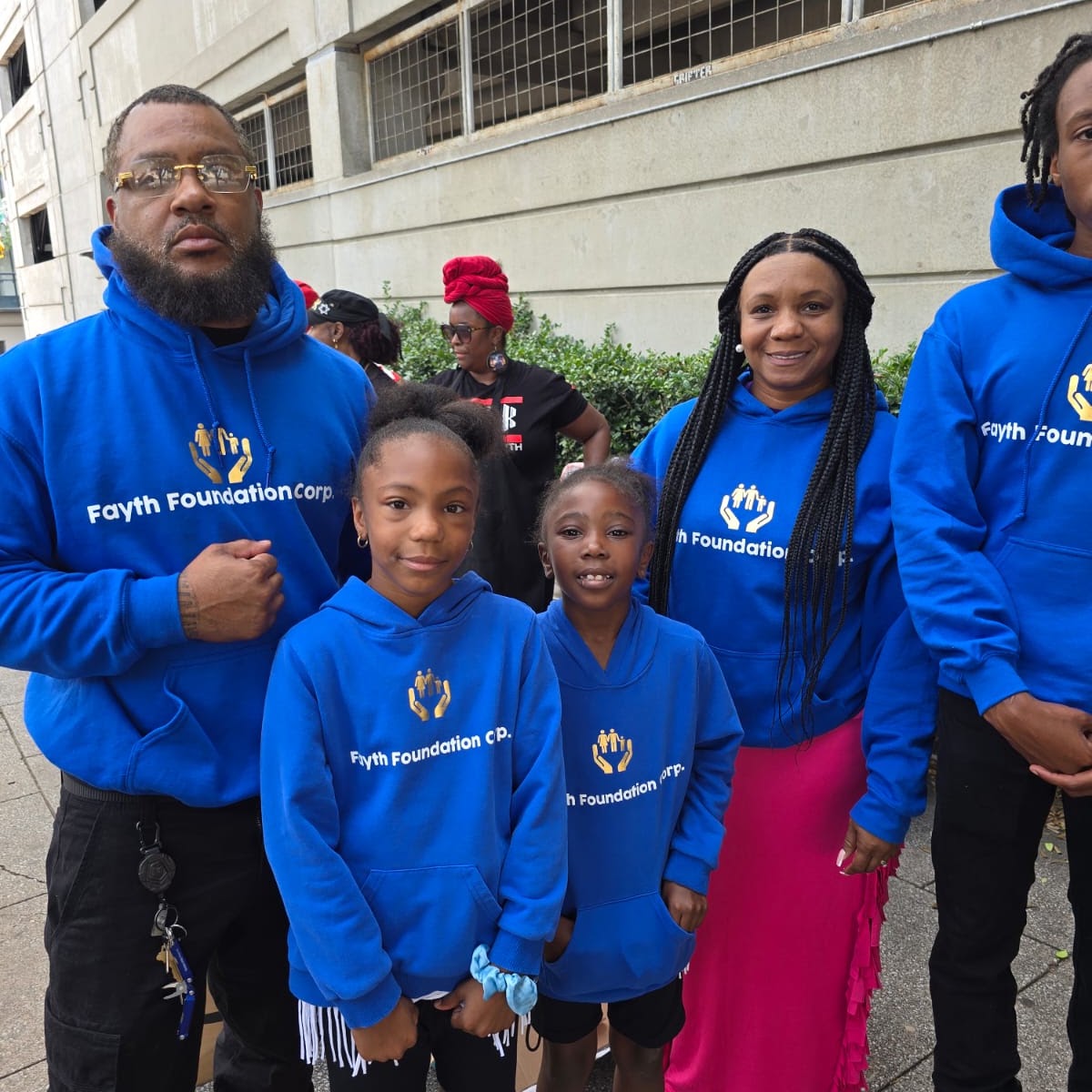
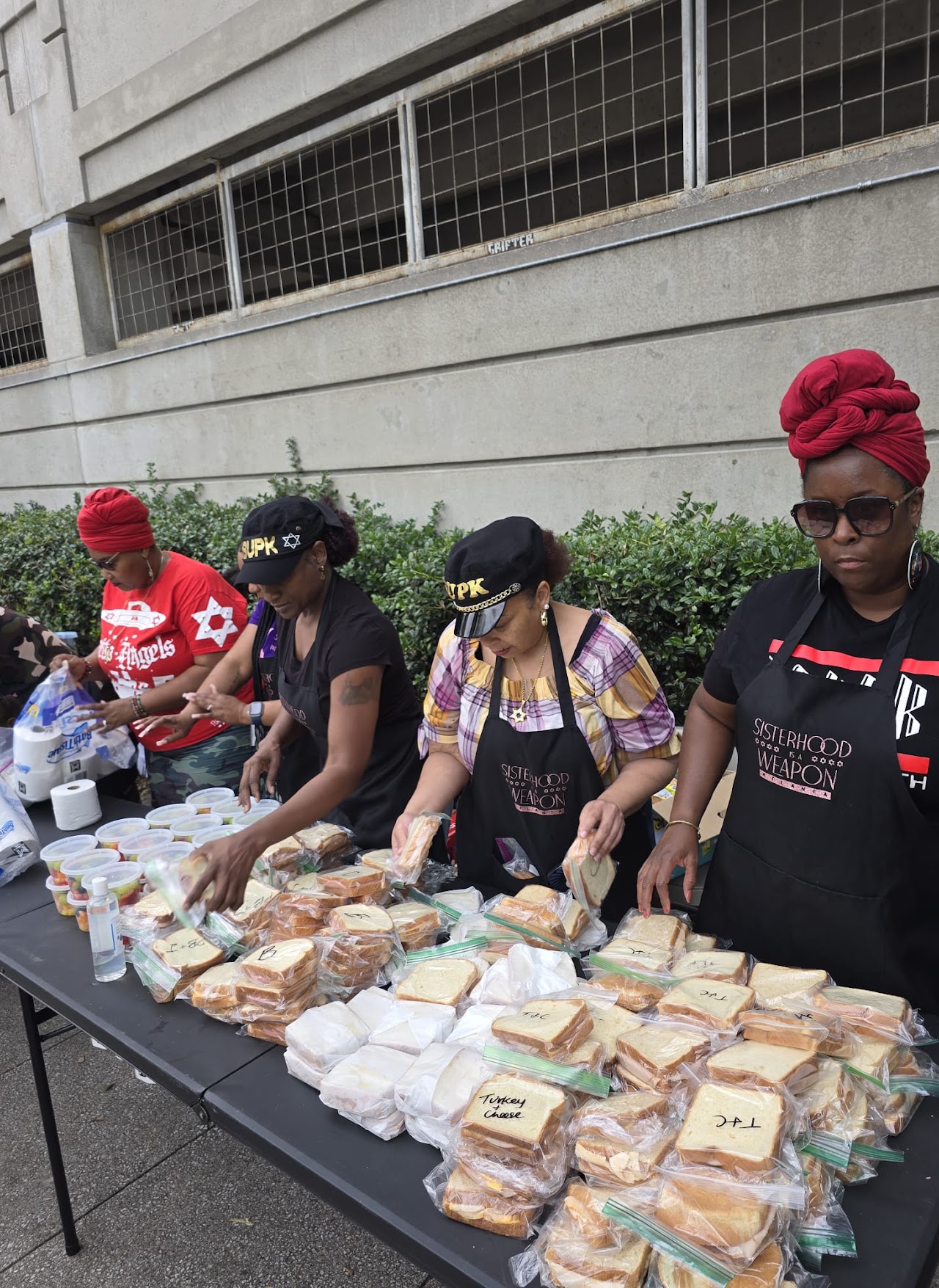
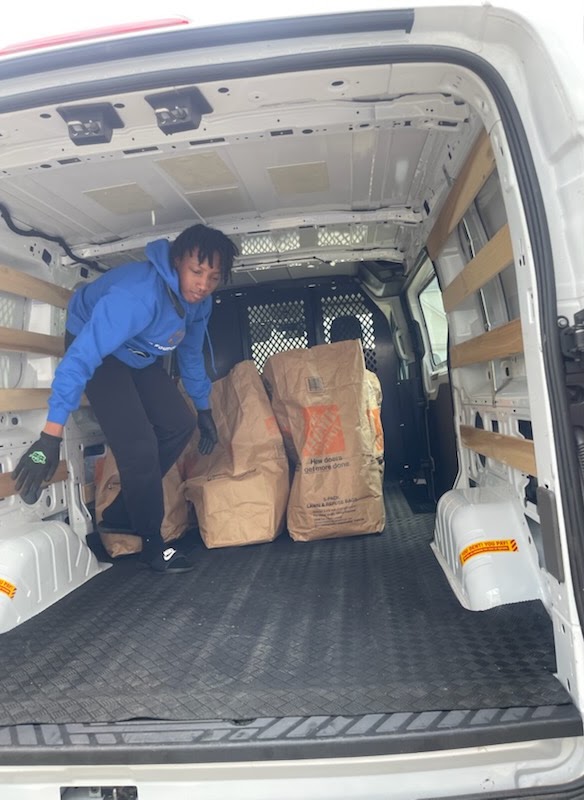
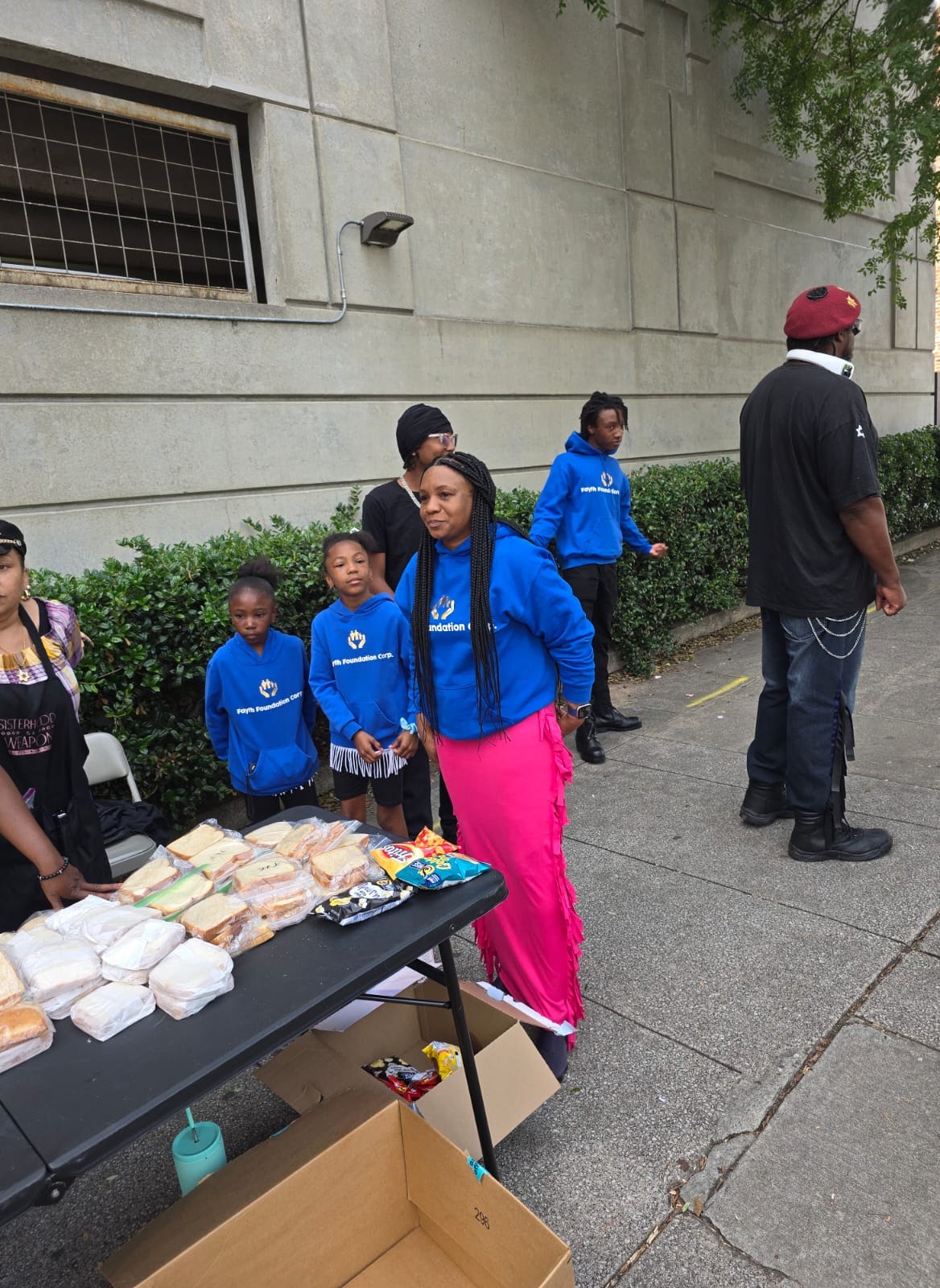
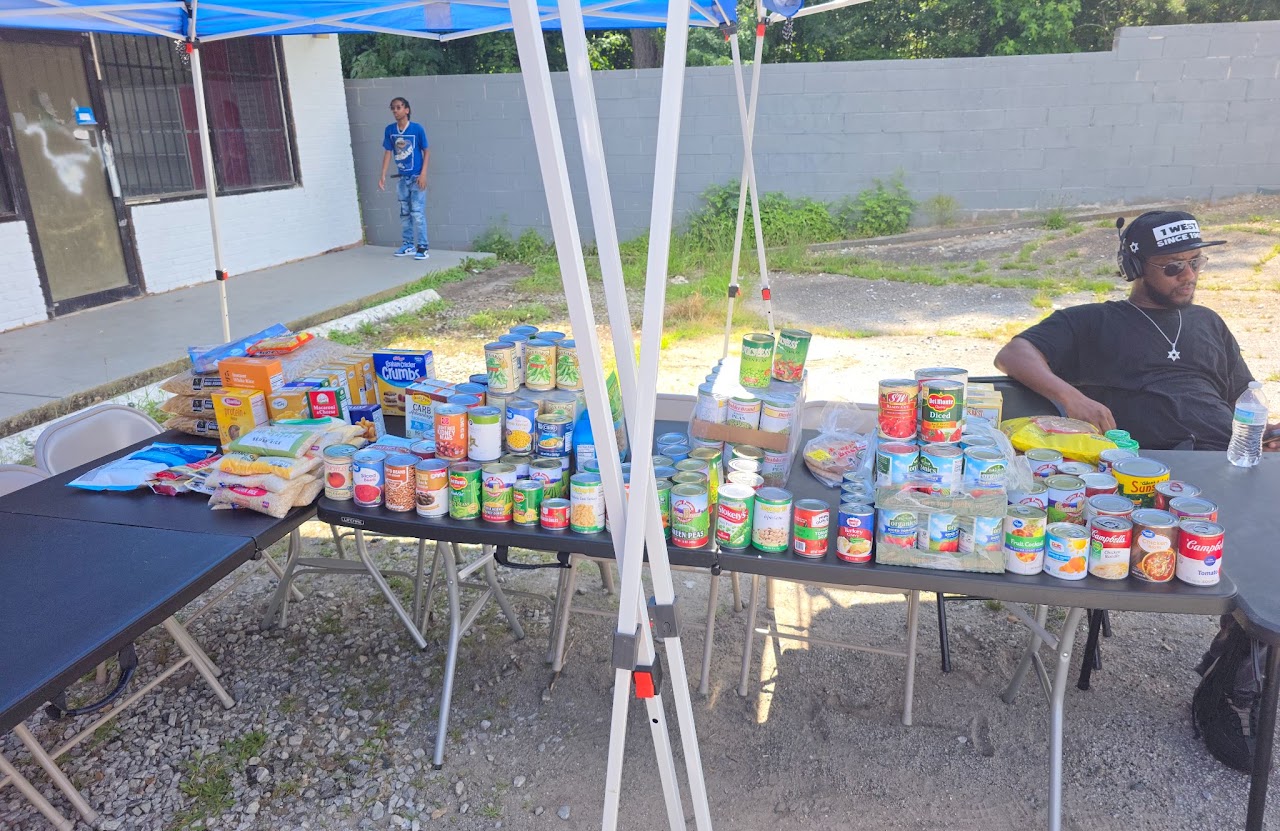
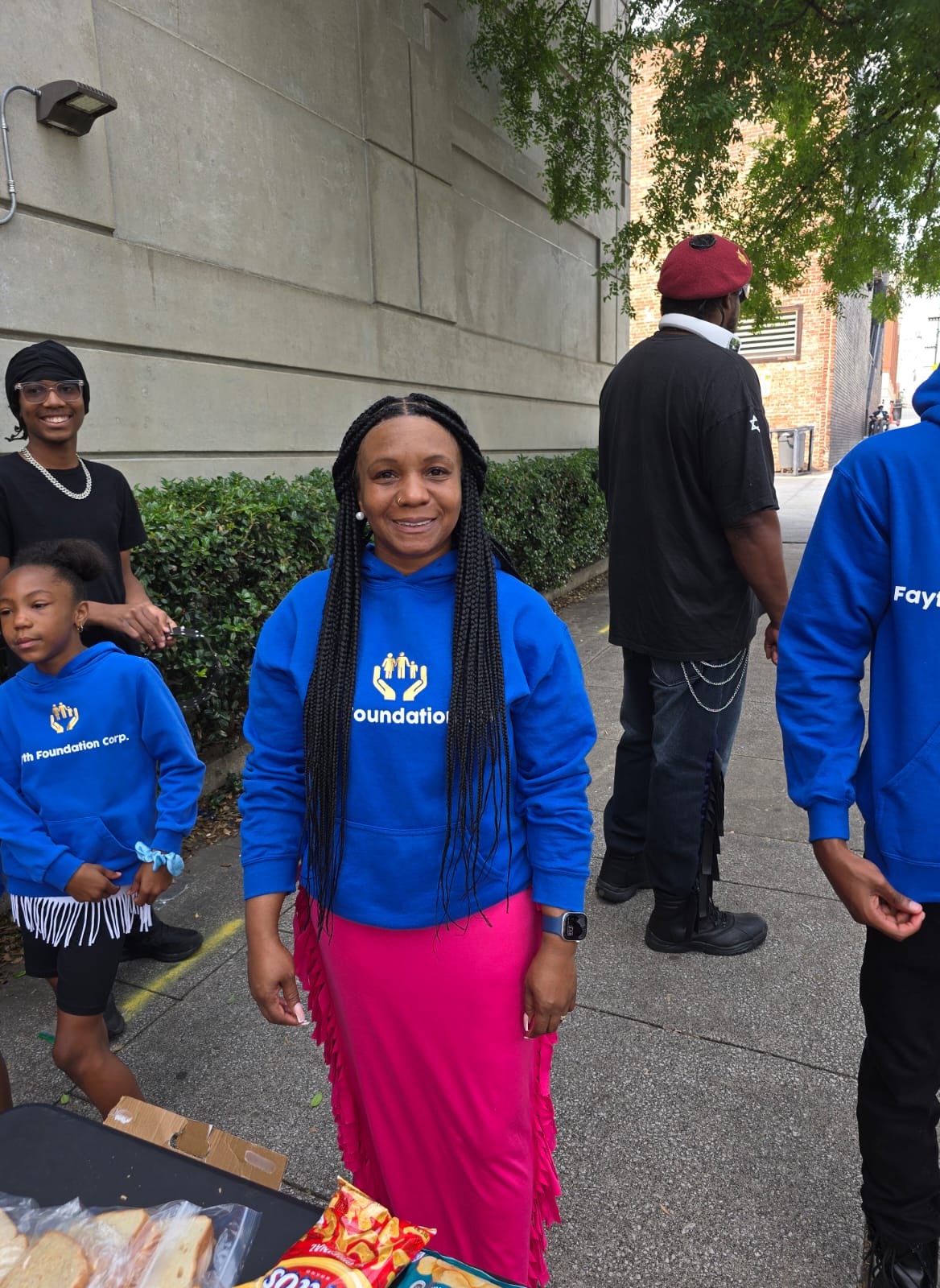
Because all of it, Tulsa, Langston, Atlanta, marriage, entrepreneurship, was preparing him for what came next: Fayth Foundation. He started this organization because he kept meeting families who were one bad week away from an empty refrigerator, and he couldn't shake the feeling that showing up for people shouldn't be complicated. It should be as simple as a warm plate, a familiar face, and someone saying, "I've got you."
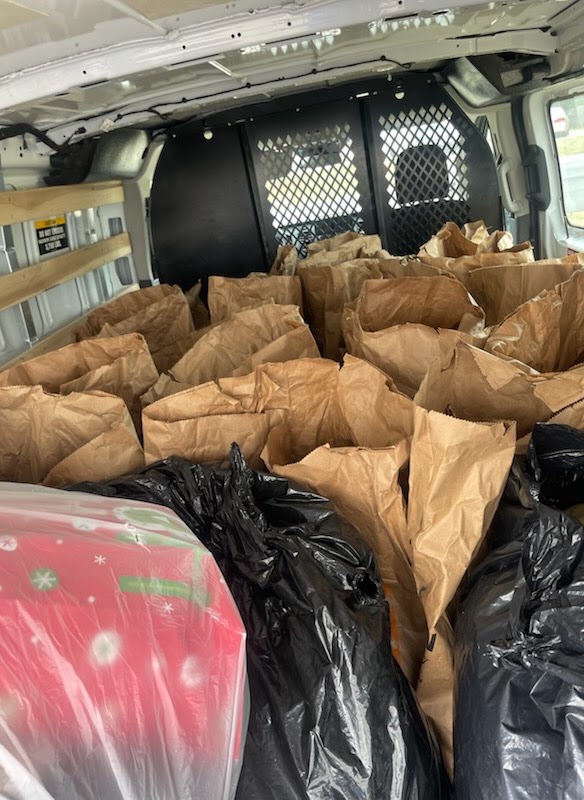
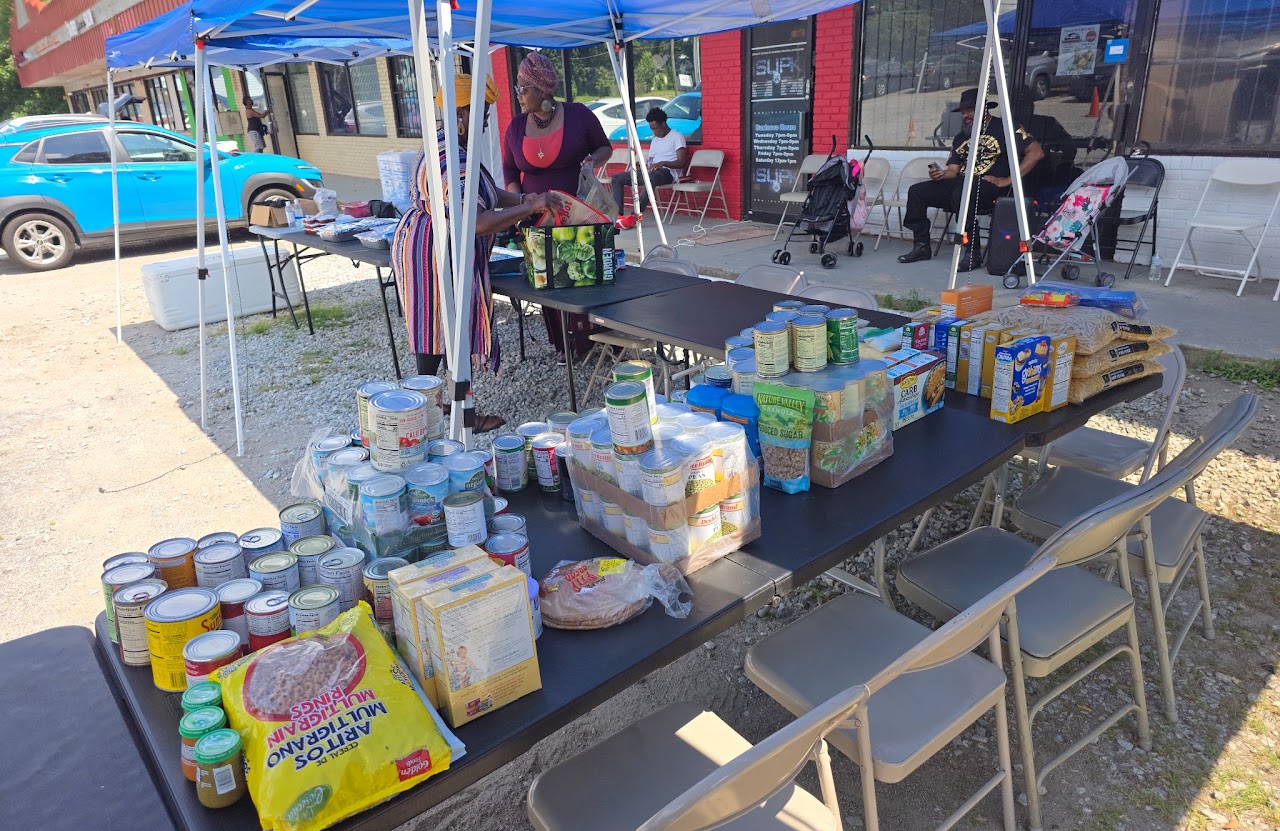
That's what Fayth is built on. They provide food assistance, but more than that, they build bridges, connecting families to the community partners and resources that can carry them from surviving to stable. Charles has sat across from parents doing everything right and still falling short, and he's watched what happens when someone finally has backup. It changes people. It changed him.
Charles's work isn't about charity in the traditional sense. It's about family, the kind you choose to build around people who need one more person in their corner. He is still building this organization step by step, brick by brick, family by family. But the mission hasn't moved an inch since day one: nourish the body, strengthen the community, and make sure hunger doesn't get the last word.